

Smoking De Addiction Centre in Pilibhit
Quitting smoking is one of the most valuable things a person can do for their health. Nicotine is highly addictive, so support makes a real difference.
- Confidential conversation
- For individuals and families
- Call or WhatsApp
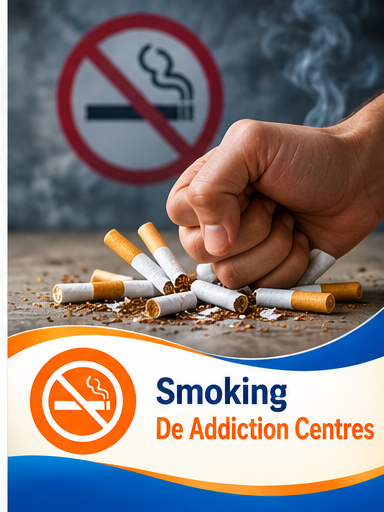
Understanding smoking de addiction
Smoking and tobacco use are habits and dependencies at the same time. Nicotine affects mood and stress, while routines and social situations keep the habit alive.
Many people try several times before they stop for good. That is normal, and each attempt teaches something useful.
We can help you understand your triggers, plan a quit date and learn about the options a doctor may recommend.
How support can look
Support is shaped around the person. Contact us to learn what is available for your situation.
Understanding triggers
Noticing when and why cravings appear makes them easier to manage.
A quit plan
Choosing a quit date and preparing for the first weeks improves the chances of success.
Medical advice
A doctor can explain nicotine replacement and other options that may suit you.
Encouragement
Regular support helps people stay motivated through cravings.
Why seek professional support
Better breathing
Lung function often improves after quitting.
Heart health
The risk of heart disease reduces over time.
Savings
The money spent on tobacco can be used elsewhere.
Family wellbeing
Quitting protects those around you from second-hand smoke.
Common questions
Does this include bidi, gutka and chewing tobacco?
What if I have tried before and failed?
Are cravings permanent?
This page provides general information only and is not medical advice. Please consult a qualified doctor for medical concerns.
You may also want to read
De Addiction Centres
De-addiction support for alcohol, drugs, tobacco and other dependencies.
Learn more
Nasha Mukti Kendra
A first conversation, without judgement, for individuals and families.
Learn more
Mental Health Rehabilitation
Emotional wellbeing support alongside addiction recovery.
Learn more
You do not have to take the first step alone.
Call or message us for a calm, confidential conversation. We will listen first, then explain how we can help.